Contamination in laboratory environments is a critical issue affecting research outcomes. Scientists strive to maintain the integrity of their work. However, the complexity of laboratory activities often leads to unforeseen risks. Understanding how to reduce contamination in laboratory environments has become essential for researchers worldwide.
Effective strategies require attention to detail. Regular cleaning protocols must be established and followed rigorously. Personal habits also play a role; researchers should be aware of how their actions contribute to contamination. It’s easy to overlook small things, but those details can lead to significant consequences.
Additionally, proper training for laboratory personnel on contamination sources is vital. Even the best procedures might fall short if they are not executed correctly. Awareness of potential flaws in the system is necessary for continuous improvement. Laboratories should foster an environment of reflection and adaptability to minimize contamination risks effectively.
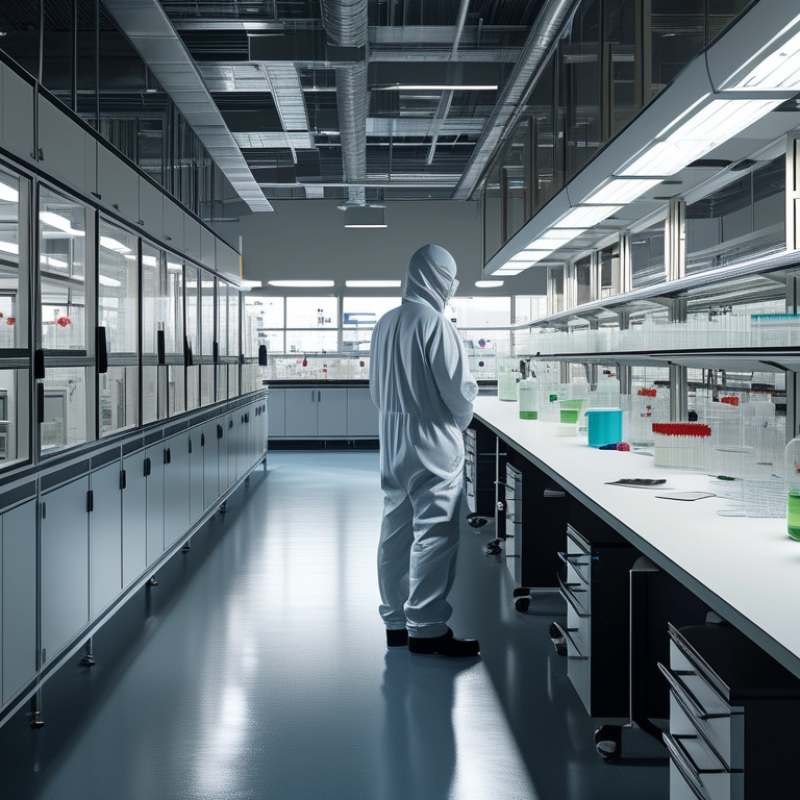
Maintaining clean laboratory surfaces is essential for minimizing contamination. Start by regularly cleaning all surfaces with appropriate disinfectants. Choose solutions that effectively kill microorganisms. Wipe down benches, tables, and equipment after each use. This should become a routine practice for all lab members.
Consider using disposable materials wherever possible to limit cross-contamination. For example, single-use pipette tips and gloves can prevent the spread of pathogens. Proper disposal is crucial; ensure that waste bins are easily accessible. However, relying solely on disposables isn't enough. Reusable items must also be sanitized properly.
Implement clear guidelines for personal behavior in the lab. Encourage staff to wash hands frequently and avoid touching their faces. Remind everyone that even small lapses can lead to contamination. Regular training sessions can reinforce these practices. It's important to recognize that maintaining a clean environment requires constant vigilance and a commitment from everyone involved.
Personal protective equipment (PPE) is crucial in maintaining a contamination-free laboratory. Scientists and technicians must wear appropriate gear to minimize exposure to hazardous substances. This includes gloves, lab coats, goggles, and face shields. Wearing these items helps create a barrier against harmful agents. However, the effectiveness of PPE relies heavily on proper usage and maintenance.
Gloves should fit well and be inspected for any damage before use. Make sure to change gloves frequently, especially when moving between different tasks. Lab coats must be worn at all times and cleaned regularly. Wearing goggles can safeguard the eyes from splashes and spills but only if they're adjusted correctly. Reflecting on past experiences can help in understanding where contamination might have occurred.
Despite efforts, contamination can still happen. It is essential to remain vigilant. Training sessions on the correct use of PPE should be frequent. Encourage open discussions about incidents of contamination. This reflection can lead to improvements. A culture of safety and responsibility is necessary in laboratories. Each member plays a role in ensuring a cleaner environment.
| Personal Protective Equipment (PPE) | Function | Recommended Standards | Usage Tips |
|---|---|---|---|
| Lab Coats | Protects skin and personal clothing from spills | ASTM D4850 | Ensure a proper fit; dispose of when contaminated |
| Gloves | Prevents contact with hazardous materials | EN 374 | Change regularly; check for punctures |
| Safety Goggles | Protects eyes from splashes and particles | ANSI Z87.1 | Ensure a snug fit; clean regularly |
| Face Shields | Provides full face protection from hazards | ANSI Z87.1 | Use in conjunction with goggles for better protection |
| Respirators | Protects against inhalation of harmful substances | NIOSH Approved | Fit-test for proper seal; replace filters as needed |
Effective waste disposal is crucial in laboratory environments. Improper disposal can lead to contamination risks that affect both research integrity and safety. Each lab must follow specific guidelines to manage waste effectively.
One approach is to categorize waste properly. Distinguish between hazardous and non-hazardous materials. Color-coded bins can simplify this process. Ensure all lab members are trained on proper disposal techniques. Regular training helps maintain awareness and accountability. When waste is categorized accurately, the handling process becomes more straightforward.
Dispose of waste promptly. Leaving waste unattended can increase the risk of spills or contamination. Clear schedules for waste removal can aid in this. Always seal containers to prevent leakage. Training workers to remain vigilant can minimize contamination risks significantly.
Remember to reflect on your current processes. Are there gaps? Regular audits can reveal areas for improvement. Discuss challenges with your team. Fostering an open culture can lead to innovative solutions.
Maintaining high air quality in laboratory environments is crucial for accurate results and safety. According to the U.S. Environmental Protection Agency (EPA), poor air quality can lead to contamination, which affects both researcher health and experimental outcomes. Researchers have reported a significant increase in errors when air particulates exceed safe limits. Regular monitoring of airborne contaminants helps mitigate this risk.
To implement effective air quality control measures, laboratories should install HEPA filters. These filters can remove up to 99.97% of particles in the air. Additionally, using ultraviolet (UV) light systems can further reduce microbial contamination. A study from the American Industrial Hygiene Association highlights that labs with rigorous air quality protocols see a decrease in contamination incidents by approximately 30%. Regular maintenance and filter replacement are essential for optimal performance.
Portable air quality monitors offer real-time feedback on particulate levels. When levels spike, labs can adjust ventilation rates and airflow patterns to reduce risks. However, there's often a delay in responses, showcasing a gap in current practices. Contamination can occur during this lag, emphasizing the need for continuous improvement in air management systems. Developing an integrated strategy to manage indoor air quality can significantly enhance laboratory safety.
Routine cleaning protocols are essential in laboratory environments. They help reduce contamination risks and ensure safety. Maintaining a clean lab is not just about appearances; it’s about protecting health and maintaining integrity in experiments. Regular cleaning schedules can prevent the accumulation of hazardous substances. This is particularly crucial when working with sensitive materials.
Implementing effective cleaning strategies can be challenging. It's easy to overlook certain areas. For example, surfaces in high-traffic zones should be sanitized more often. Equipment and tools need proper disinfection after each use. Neglecting these tasks can lead to cross-contamination. Researchers might think they have done enough, but small oversights can lead to big problems.
Educating lab personnel on cleaning protocols is vital. Training ensures everyone understands the importance of these routines. However, it’s often a struggle to maintain consistent practices. Staff might forget specific steps, leading to potential contamination. Regular reminders and updates can enhance adherence. Giving feedback can also motivate a culture of cleanliness. A clean lab not only improves results but also fosters a safer work environment.
: Clean surfaces minimize contamination risks, enhancing safety and research integrity.
Use appropriate disinfectants regularly. Wipe down surfaces after each use.
They limit cross-contamination and help prevent the spread of pathogens.
Categorizing waste into hazardous and non-hazardous materials is essential.
Training and regular reminders are vital for maintaining awareness and accountability.
Dispose of waste promptly. Leaving it unattended increases contamination risks.
Regular audits and open discussions can reveal gaps and foster innovative solutions.
Frequent hand washing and avoiding face touching are crucial practices.
Consistent commitment from everyone is required for a clean environment.
No, reusable items must also be sanitized properly to ensure cleanliness.
To effectively understand how to reduce contamination in laboratory environments, several best practices should be implemented. Maintaining clean laboratory surfaces is essential; this includes regular disinfection and avoiding clutter. Additionally, the effective use of personal protective equipment (PPE) plays a significant role in minimizing exposure to contaminants. Researchers should also be trained in proper waste disposal techniques, ensuring that hazardous materials are handled and discarded correctly to limit contamination risks.
Moreover, implementing air quality control measures, such as proper ventilation and air filtration, is crucial in maintaining a safe laboratory environment. Establishing routine cleaning protocols helps ensure that all surfaces and equipment are consistently sanitized, reinforcing the overall safety of lab operations. By following these guidelines, laboratories can significantly reduce contamination and promote a safer working environment for all personnel.

Mosholu Medical